Vos courses
se font seules.
Vos courses hebdomadaires au prix de gros, livrées sur le même créneau. Moins cher que le supermarché, sans y aller.
buyfaster, en moins de trente secondes.
Tout est en place.
- 6 juillet
App web en ligne
Comptes, paniers, paiements réels.
- 27 juillet
Bêta publique iOS
TestFlight, ouverte à tous.
- 28-30 juillet
Société et marque
SIREN 108 193 871 · INPI, 3 classes.
- 30-31 juillet
Apple Pay et Android
Apple Pay actif · build soumis à Google Play.
- 2 août
Conformité alimentaire
Déclaration déposée auprès de la DDPP.
Chaque étape est vérifiable : Kbis, dépôt INPI n° 5283018, TestFlight, Play Console.
Vous payez le magasin. Pas la marchandise.
Frais de structure invisibles
Loyers, personnel de rayon, agencement, démarques. L'étiquette finance le bâtiment, pas le produit.
Une habitude ritualisée sans raison
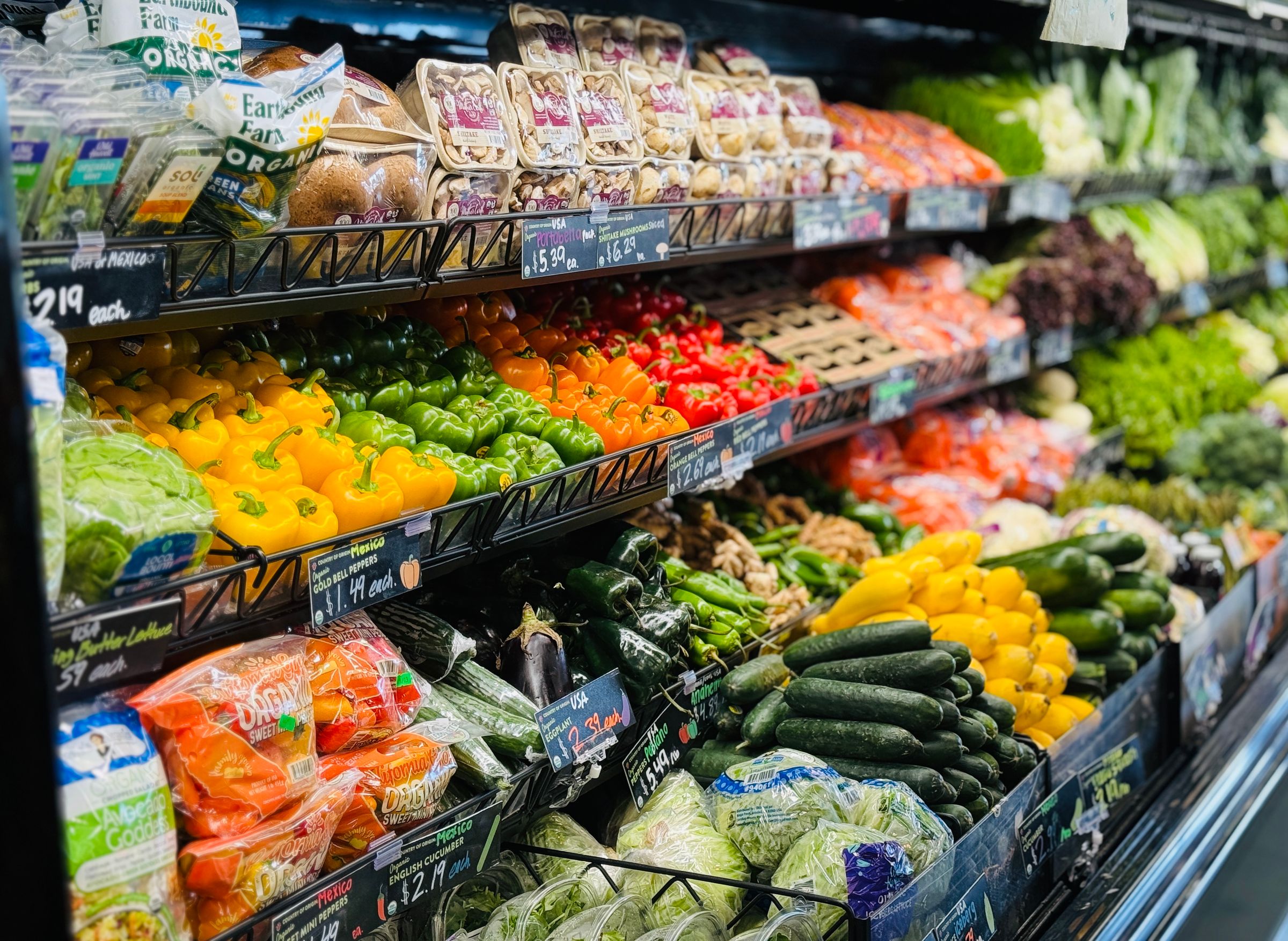
87 % de votre liste est répétée. Et pourtant : 90 minutes de votre samedi pour racheter la même chose.
Les bons prix sont déjà ailleurs
Restaurants et hôtels paient les mêmes denrées 30 à 40 % moins cher, chez les mêmes grossistes. Le modèle marche : il est fermé aux particuliers.
seulement €3,80 est du café.
L'infrastructure B2B
livrée aux particuliers.
L'utilisateur dépose sa liste hebdomadaire.
L'app apprend les marques, la fréquence, les substitutions acceptables. La liste se relivre d'elle-même, et reste modifiable à tout moment.
On agrège la demande, on achète aux grossistes.
Rungis, Métro, plateformes professionnelles. Pas de magasin, pas de rayon, pas de markup. Cet écart est l'économie de l'utilisateur et notre marge.
Une livraison, un créneau, chaque semaine.
Jeudi, 14h–16h. Toujours. Une densité prévisible s'optimise comme une tournée de grossiste, pas comme du quick-commerce.
SUPERMARCHÉ
BUYFASTER
Unit economics4 métriques modélisées
Métriques modélisées · détail dans le deck investisseur sur demande.
Chaque semaine,
nous devenons moins chers.
Le supermarché ne sait rien de vous. Nous savons ce que vous prenez, quand, et ce que vous acceptez à la place.
1 000 utilisateurs : on achète par camions. 10 000 : on négocie à l'année. 100 000 : on court-circuite le grossiste. La marge libérée retourne à l'utilisateur.
Prédictibilité de la demande
Les livraisons récurrentes nous donnent un carnet de commandes 7 jours à l'avance. Aucun retailer n'a cette visibilité.
Substitutions intelligentes
L'utilisateur accepte des marques équivalentes. C'est du levier de négociation vers les fournisseurs.
Retention par construction
Rien à reconduire : la livraison suivante est déjà programmée. Le churn devient un signal, pas un défaut.
Paris d'abord.
Puis chaque ville dense d'Europe.
240 Md€ de courses alimentaires en France. Nous ciblons le ménage urbain à panier prévisible.
Le modèle exige de la densité. Paris : 2,1 M d'habitants sur 105 km². Environ 14 villes en Europe ont le même profil.
Pourquoi 2026, pas 2018.
Le même modèle était impossible il y a huit ans. Quatre choses ont changé, aucune de notre fait.
La demande s'est retournée
Les ménages cherchent une alternative, et une dépense hebdomadaire stable rassure plus que le rayon.
Le créneau s'est libéré
Le quick-commerce a prouvé que la vitesse ne fait pas un business. Reste le prix juste, à fréquence prévisible.
L'infrastructure existe
Prélèvement hebdomadaire routinier, et comptes professionnels ouverts sur vérification simple.
Wasiq Shairzad.
buyfaster achète les courses d'un ménage comme un professionnel achète son stock, puis les livre sur un créneau fixe, chaque semaine.
Une seule infrastructure entre le grossiste et la porte d'entrée. Pas de magasin à financer, donc pas de magasin à faire payer.
Étudiant, je travaillais le week-end dans des hôtels parisiens. À chaque livraison du lundi, je voyais arriver exactement les mêmes produits que je payais plein tarif au supermarché en bas de chez moi, à une fraction du prix. Cet écart ne m'a plus quitté pendant des années.
Cet écart n'a pas de raison d'exister.
buyfaster est l'infrastructure qui le referme.
Trois façons de nous parler.
Une seule boîte, lue par le fondateur. Le deck part par retour de mail.